Source Magnetic Oil Drain Plug for Auto Repair and Maintenance
Find 30 magnetic oil drain plug options from verified suppliers. Compare specifications like thread size, material, and MOQ to select the right part for engine oil pan replacement and repair tasks; compare the available evidence and request quotations based on your requirements.
Key considerations
Products List
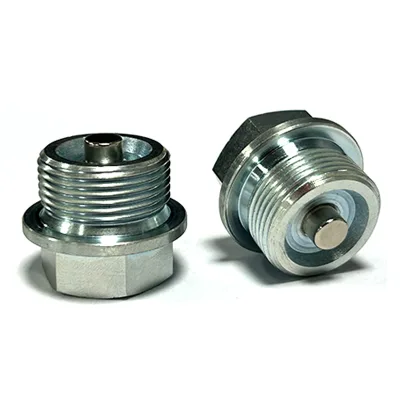
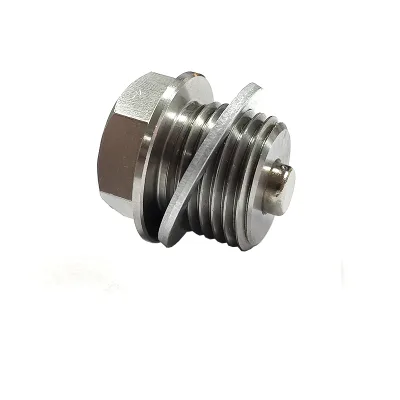
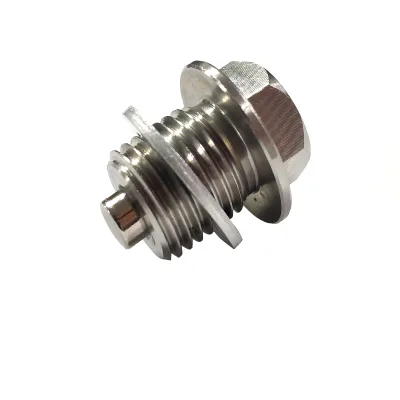
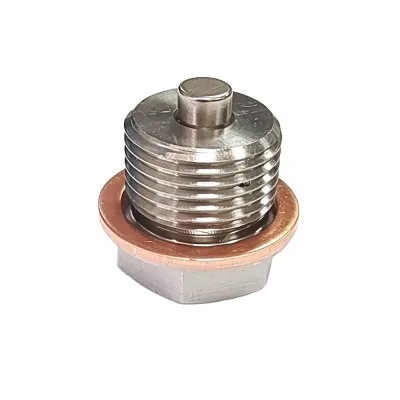




Comprehensive Sourcing Guide
Magnetic Oil Drain Plug Sourcing Guide
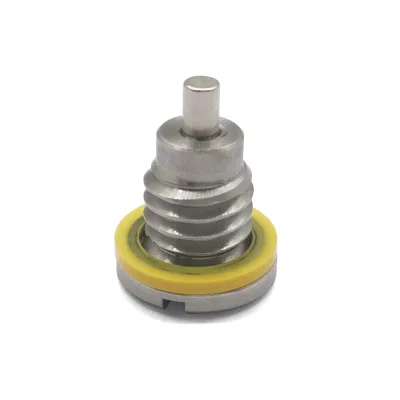
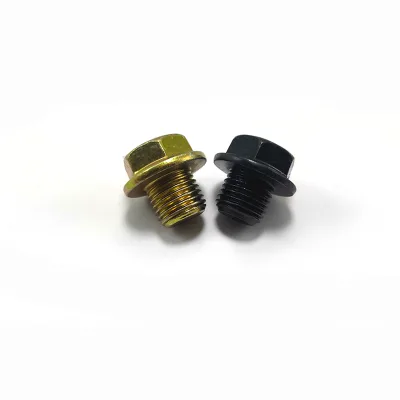
Buyers must first distinguish between the specific magnetic oil drain plug variants observed in the market, as product attributes vary significantly by model. The supply data indicates distinct configurations, including a steel-based M24X1.5 Strong Magnetic Oil Drain Plug and a stainless steel 304 variant with a magnet core. These differences dictate the appropriate application, with some units explicitly designed for oil pan screws while others serve as general auto parts replacements. Understanding these material and dimensional distinctions is the primary step in defining the correct procurement scope.
Procurement teams should also analyze the listing signals regarding packaging and delivery to ensure logistical alignment with operational needs. Observed data shows a wide range in single package sizes, from compact 1x2x3 cm units to larger 8x6x5 cm boxes, which directly impacts shipping costs and storage requirements. Furthermore, delivery times fluctuate between 3-7 days and 7-15 days depending on the specific supplier and order volume. Buyers must verify these lead times against their production schedules to avoid bottlenecks, as the observed range suggests inconsistent fulfillment capabilities across different vendors.
Technical Specifications to Verify
The thread size and physical dimensions are the most critical technical parameters that must match the vehicle's oil pan specifications precisely. The observed product list includes a diverse array of thread sizes such as M12x1.5, M14x1.5, M16x1.5, M18x1.5, M20x1.5, and M24x1.5. A mismatch in these specifications can lead to installation failures or oil leaks, so buyers must cross-reference the exact model number, such as JXSS070M16*1.5, with the engine requirements before placing an order. Verification of the bolt length, observed at 15 mm for specific models, is equally essential to ensure proper engagement depth.
Material composition and surface finish are the next vital technical factors that influence durability and corrosion resistance in harsh engine environments. The supply data reveals a split between standard steel construction and high-grade SS304 stainless steel combined with a magnet, offering different levels of protection against rust and chemical degradation. Additionally, the manufacturing process, identified as CNC machining with a polishing finish, suggests a focus on precision and smooth surfaces that reduce friction during installation. Buyers should confirm that the selected unit's material and finish align with the specific operating conditions of their fleet or assembly line.
Compliance and Safety Documentation
While the provided product data does not explicitly list third-party certification numbers, buyers must request evidence of quality assurance processes to mitigate safety risks. The observed listings mention that products undergo "100% Tested" and "100% Professional Test" procedures, which serve as internal quality control indicators rather than external regulatory compliance. Procurement teams should demand detailed test reports or certificates of analysis that verify the magnetic strength and thread integrity of the drain plugs to ensure they meet industry safety standards for automotive components.
Documentation regarding the origin and manufacturing process is also necessary to validate the integrity of the supply chain. The products are noted to originate from Guangdong, China, and are manufactured using CNC machining, which implies a specific level of industrial capability. Buyers should verify that the supplier can provide traceability records linking the finished goods back to the raw material batches, particularly for the SS304 and steel components. This documentation ensures that the materials used are genuine and that the manufacturing environment adheres to consistent quality protocols required for automotive safety parts.
Cost Drivers and Commercial Terms
The minimum order quantity (MOQ) is a primary commercial driver that significantly affects the unit economics and inventory strategy for buyers. The observed market data presents a wide MOQ range, starting from as low as 1 piece up to 1000 pieces, with specific listings citing 10, 20, or 100 pieces as thresholds. Buyers with lower volume needs can access smaller batches, but they must be prepared for potentially higher per-unit costs compared to bulk purchasers who can leverage the lower MOQs of 10 or 20 pieces to secure better pricing tiers.
Payment terms and packaging details further influence the total cost of ownership and cash flow management for procurement departments. The observed payment methods include UnionPay, PayPal, and Telegraphic Transfer (TT), offering flexibility but requiring verification of transaction fees and security. Additionally, packaging varies from simple OPP bags to box packing, which includes gaskets in some instances, affecting the final landed cost. Buyers must calculate the total expense by factoring in these packaging differences and payment processing fees to determine the most cost-effective sourcing strategy for their specific order volume.
Supplier Qualification and Quality Control
Supplier qualification should focus on verifying the consistency of their manufacturing processes and the reliability of their quality control claims. The data indicates that products are produced via CNC machining with a polishing finish, suggesting a capability for high-precision manufacturing. Buyers should assess whether the supplier maintains consistent quality across different batches, as the observed listings show variations in single gross weights ranging from 0.030 kg to 0.120 kg. This variance may indicate different product lines or packaging methods, requiring buyers to ensure that the specific unit ordered matches the expected weight and quality standards.
Quality control verification must extend to the testing protocols and the completeness of the supplied components. The listings mention that products come with one body and one gasket, and some are described as "100% Tested," yet buyers must confirm the specific nature of these tests. It is crucial to validate that the magnetic strength and thread tolerance meet the required specifications for the intended application, such as replacing or repairing oil pan screws. Buyers should request sample testing results to confirm that the supplier's internal quality checks are robust enough to prevent field failures.
Long-Term Procurement Checks
Establishing a long-term relationship requires monitoring the stability of delivery times and the consistency of product attributes over multiple orders. The observed delivery times range from 3-7 days to 7-15 days, indicating potential variability in supplier capacity or logistics. Buyers should track these lead times over several purchase cycles to identify patterns or delays that could disrupt their supply chain. Consistent delivery performance is essential for maintaining inventory levels and ensuring that replacement parts are available when needed for maintenance or repair operations.
Continuous evaluation of product performance and supplier responsiveness is necessary to maintain high standards in the procurement pipeline. Buyers should monitor the condition of the products upon arrival, ensuring they remain "New" and free from defects as specified in the product attributes. Additionally, the availability of after-sales service, such as the observed "24 Hours" service claim, should be tested to ensure the supplier can effectively resolve any issues that arise. Regular reviews of these factors will help identify reliable partners who can consistently meet the technical and commercial requirements of the organization.
FAQs
What materials are used for magnetic oil drain plugs?
These plugs are typically made from stainless steel 304 or standard steel. The stainless steel versions often include a built-in magnet to capture metal debris. This material choice ensures durability and resistance to corrosion during engine operation. The steel variants provide a cost-effective alternative while maintaining structural integrity for oil pan applications.
Which thread sizes are available for these drain plugs?
Common thread sizes include M12, M14, M16, M18, M20, and M24. Pitch variations such as 1.5mm and 1.25mm are also available. Buyers should verify their vehicle's oil pan specifications before ordering. Matching the exact thread size and pitch is critical to ensure a proper seal and prevent oil leaks during maintenance.
Can these plugs help keep the engine clean?
Yes, the integrated strong magnet captures ferrous metal particles from the circulating oil. This reduces wear on internal engine components by preventing debris from re-entering the lubrication system. Regular replacement of the plug or cleaning of the magnet during oil changes maintains optimal engine health and extends the lifespan of critical moving parts.
What is the typical delivery time for these parts?
Delivery times generally range from 3 to 15 days depending on the supplier and order volume. Some vendors offer faster turnaround times of 3 to 7 days for standard orders. Longer lead times may apply for customized specifications or larger bulk purchases. Buyers should confirm specific delivery schedules with the supplier before finalizing the order.
How are these magnetic drain plugs packaged?
Products are commonly packaged in OPP bags or individual boxes. Each unit usually includes the drain plug and a matching gasket. The packaging protects the item during shipping and storage. Standard gross weights vary slightly by size, typically ranging from 0.030 kg to 0.120 kg per piece for easy logistics handling.
What is the minimum order quantity for these plugs?
Minimum order quantities typically start at 10 pieces for standard items. Some suppliers may require 20 pieces or more depending on the specific model. Lower MOQs are often available for trial orders or specific sizes. Buyers seeking bulk quantities should inquire about volume discounts and tiered pricing structures directly with the manufacturer.